When shopping for high-end garage doors, you may choose a style primarily based on its aesthetic appeal. However, it’s essential to consider the performance characteristics of a long-lasting and practical garage door.
Components like torsion springs, still common in many garage door designs, are prone to wear over time, increasing maintenance needs and downtime.
If you’re a homeowner seeking a garage door system that’s elegant and low-maintenance, this guide is for you. We offer a detailed overview of low-maintenance luxury garage doors. Explore the differences between spring counterbalance and hydraulic systems, as well as the benefits of eliminating springs and cables.
Maintenance Problems With Traditional Luxury Doors
Although traditional luxury garage doors offer great curb appeal, their mechanical components frequently cause maintenance problems that affect the lifespan of your door:
Torsion Spring Lifespan
As the counterbalance mechanism for many garage doors, torsion springs are a key element in lifting the door. The number of cycles measures the lifespan of torsion springs. One cycle is the process of opening and closing a garage door.
The typical lifespan of a torsion spring is 10,000 cycles. On average, 10,000 cycles is equivalent to seven to 10 years.
Mechanics Wear and Tear
Components of garage doors, including tracks and bearings, must support the door’s weight and keep it moving. The weight of the garage door strains these components, often requiring replacement before they reach their average lifespan.
Regular maintenance, such as lubrication and part replacement, helps prevent uneven movement and friction.
Durability and Material Longevity
The choice of material significantly affects maintenance costs. Wooden garage doors are especially prone to moisture sensitivity, and temperature changes contribute to potential splitting and warping of the wood.
Materials like steel and fiberglass resist moisture and harsh weather, maintaining their condition with minimal upkeep.
Degrading Cables
Cables are integral to the operation of traditional garage door systems as they work with the torsion springs to lift and close the door. The cables, which balance the door’s weight, have an average lifespan of five to seven years and are susceptible to rust and fraying.
It’s essential to regularly inspect garage door cables for imbalances, as these can cause the door to collapse. Damaged cables may also lead to access issues and injuries from sudden tilts and drops.
Maintenance Considerations for Durable Garage Doors

Despite the longevity of some garage doors, high-quality materials are still prone to damage. Maintenance is key to ensuring your garage door continues to operate and remains weather-resistant. Take the following considerations into account when choosing a garage door:
- Wood maintenance: They may have an attractive appearance, but wooden garage doors require regular maintenance to avoid structural and aesthetic defects. The likelihood of cracking and rotting is higher than that of other garage door types. Maintenance activities include applying a sealant or stain every two years for sealant and every three years for stain. Sanding removes defects before applying the protective coating. Regular maintenance prevents moisture from being absorbed by the wood.
- Glass and steel durability: Steel and glass garage doors offer greater resistance to moisture and challenging weather conditions. Doors with a galvanized or coated protective layer are more resistant to climate and temperature changes. These materials require little more than occasional cleaning.
- Heavy door support: Weight capacity and door frame strength are fundamental factors in choosing a garage door. The strength and weight capacity must match the requirements of the door components. If you choose particularly heavy doors, such as those designed with heavy cladding, frames with sufficient reinforcement are necessary to support the weight. For example, hydraulic garage doors rely on reinforced frames to help evenly distribute the full weight across all components for stability.
- Component inspections: Ensuring your garage door is appropriately aligned and loaded is key to limiting wear and tear. Inspect hardware every six to 12 months to catch issues early and prevent premature replacement.
Differences Between Traditional vs. Hydraulic Garage Doors
Traditional luxury garage doors can provide reliability with contemporary designs. Hydraulic garage doors offer superior durability and smooth operation for both residential and commercial use to match the luxury aesthetics. Here are the primary differences between the two door types:
Mechanism Operations
Traditional spring counterbalance systems fatigue over time, resulting in inconsistent performance. Hydraulic garage door mechanisms use pressurized fluid, enabling the door to move smoothly without relying on tension springs that age.
Less Hardware
A variety of components are required to set up a traditional garage door, including rollers, hinges and tracks. Each piece of hardware works together to operate the door, but components can deteriorate over time and with frequent use.
With a combination of a hydraulic pump, cylinders and pivot points, hydraulic garage doors use a more straightforward method.
Structural Support
Traditional luxury garage doors require several hardware components for operation. Components such as tracks and rollers help carry the door’s weight, but may increase pressure on the hardware. A pivot system and a rigid frame help carry the weight of hydraulic doors, preventing strain on individual components.
Zero Hinge Use
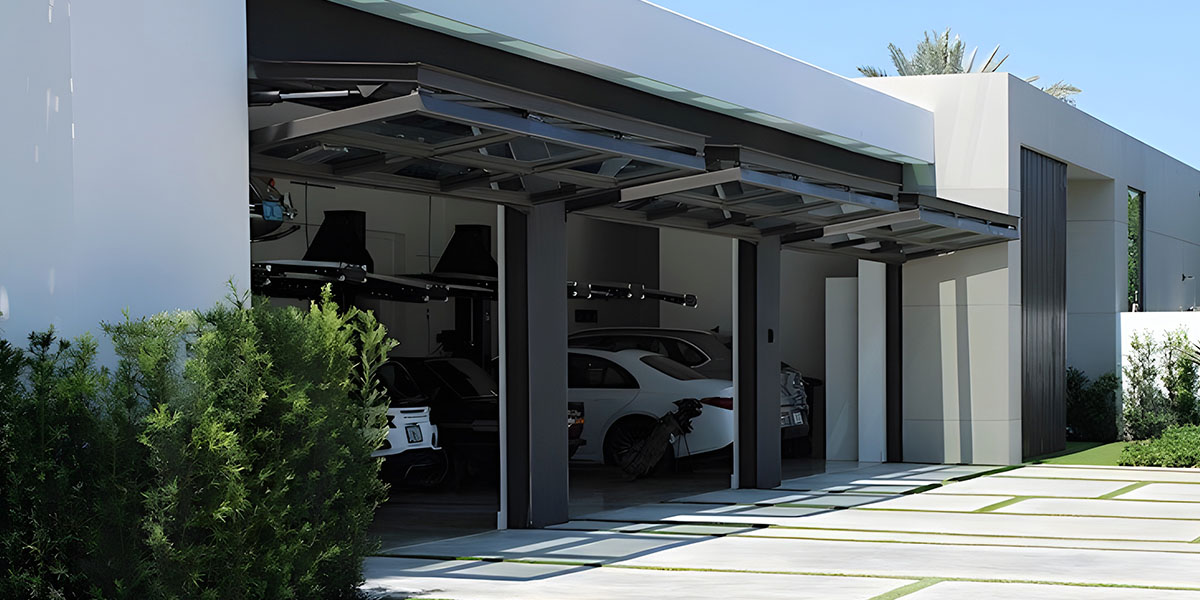
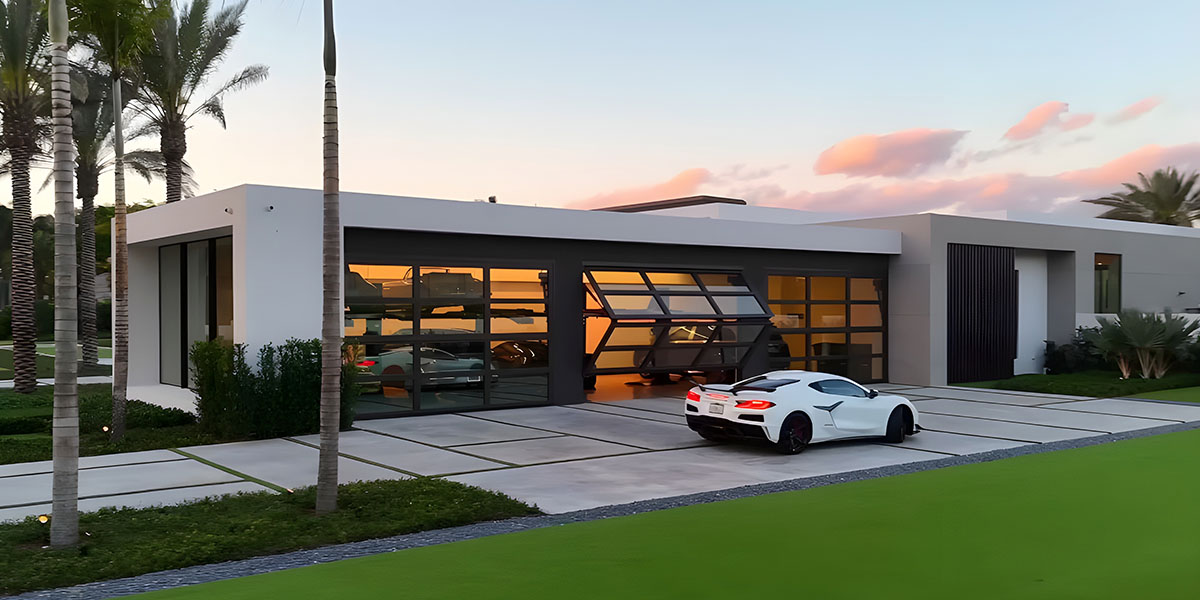
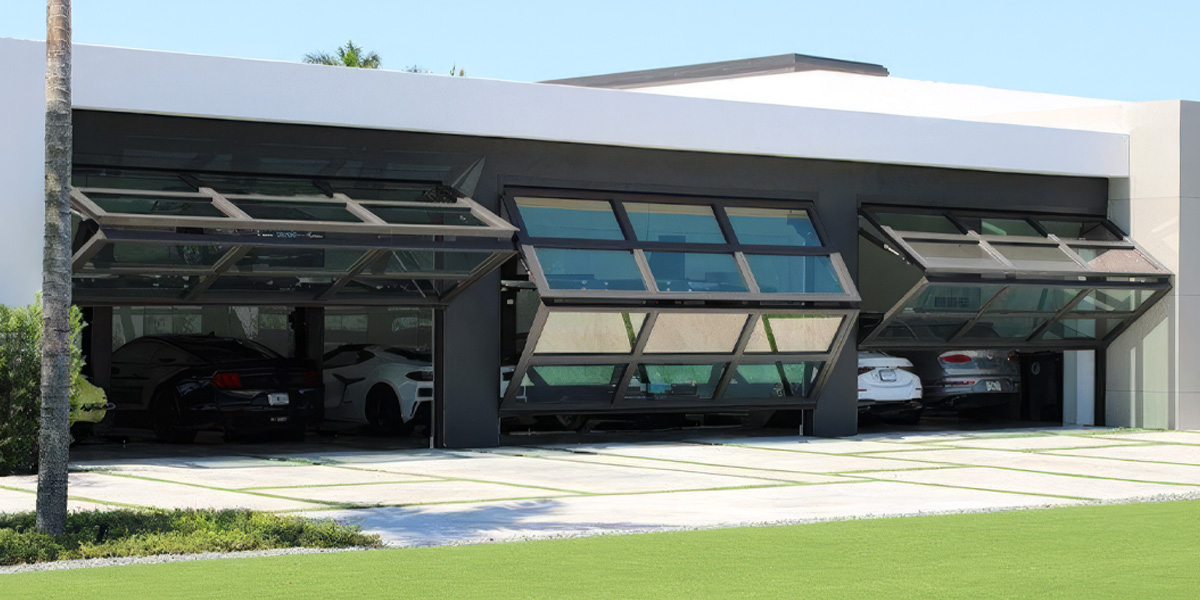
Hydraulic single-panel garage door designs use a zero-hinge system, replacing the visible straps and hinges with traditional garage doors. Both sides of the door opening have precise pivot points to operate the door rotation and evenly distribute the weight.
A system with zero hinges creates a slicker appearance and produces minimal mechanical stress as the garage door ages.
Long-Term Value of Luxury Low-Maintenance Garage Doors
Although traditional garage doors typically have a lower up front cost, modern hydraulic doors may have a better return on investment (ROI). Fewer maintenance requirements and greater durability provide better value over time:
- Lower maintenance costs: Traditional luxury garage door components require regular maintenance and replacement. In addition to buying replacement parts and maintenance tools, the labor costs for servicing are another cost consideration. Hydraulic doors require less maintenance, such as oil checks once or twice a year.
- Smart Door® technology: Modern garage doors feature Smart Door® technology, allowing you to operate the door via a control pad. The technology offers greater flexibility than traditional doors, with smart system integration and multiple motion settings. A sensor motion lock provides an extra layer of security.
Personalized Quote for Hydraulic Luxury Garage Doors
Our dedicated and experienced team at Premier Door Co. has been designing innovative garage doors for a diverse range of clients since 1998. Technology continues to evolve, and our experts stay one step ahead to deliver luxury with low-maintenance features.
Ready to bring your elevated garage door dreams to fruition? Contact the team today to begin your journey. You’ll work closely with our team to develop custom garage doors that exceed your expectations and deliver optimal performance.