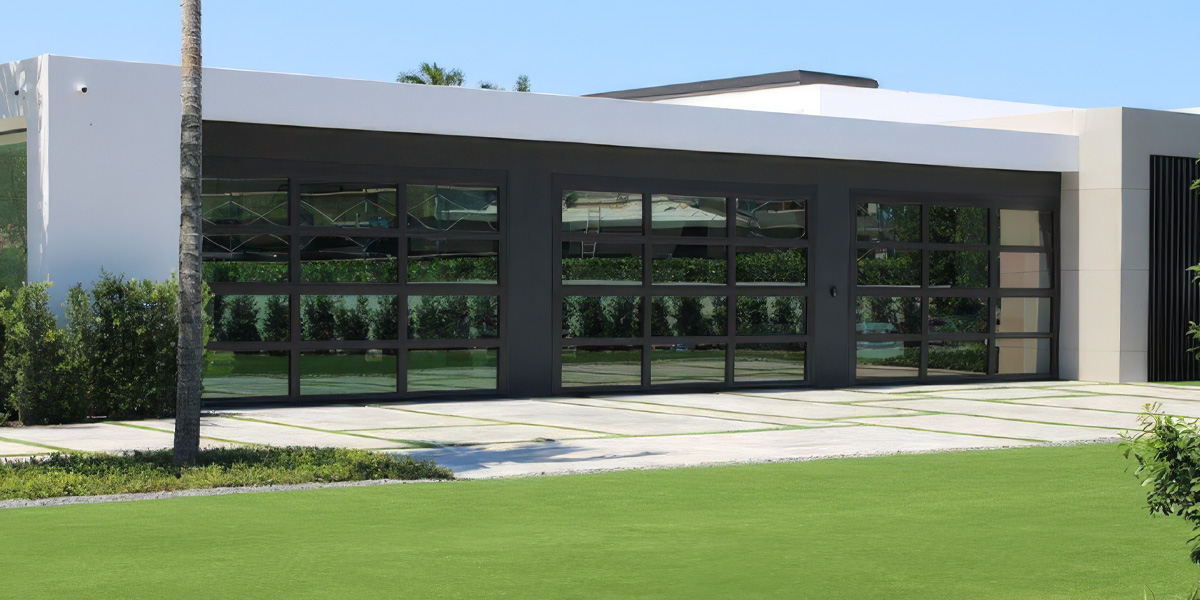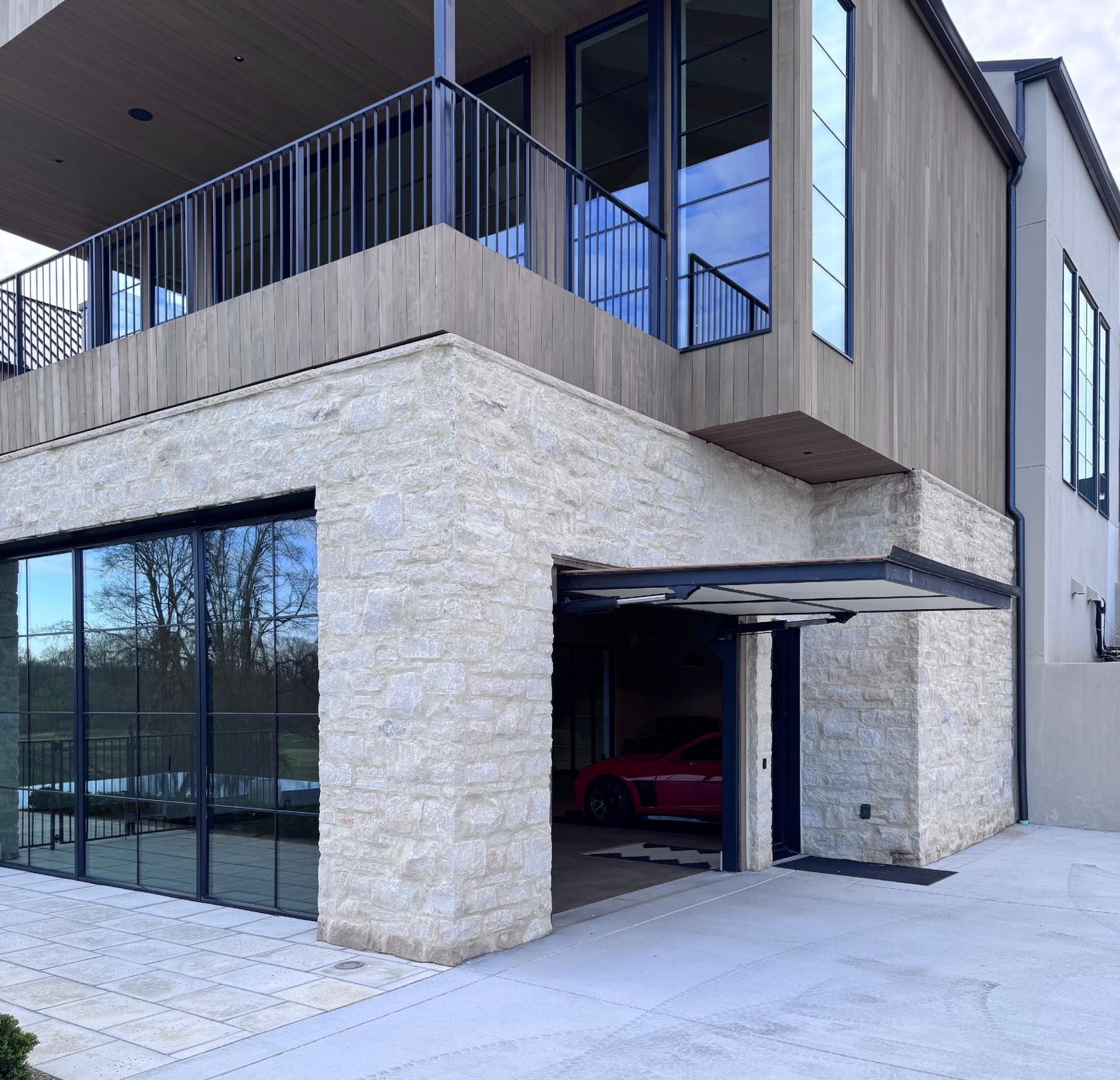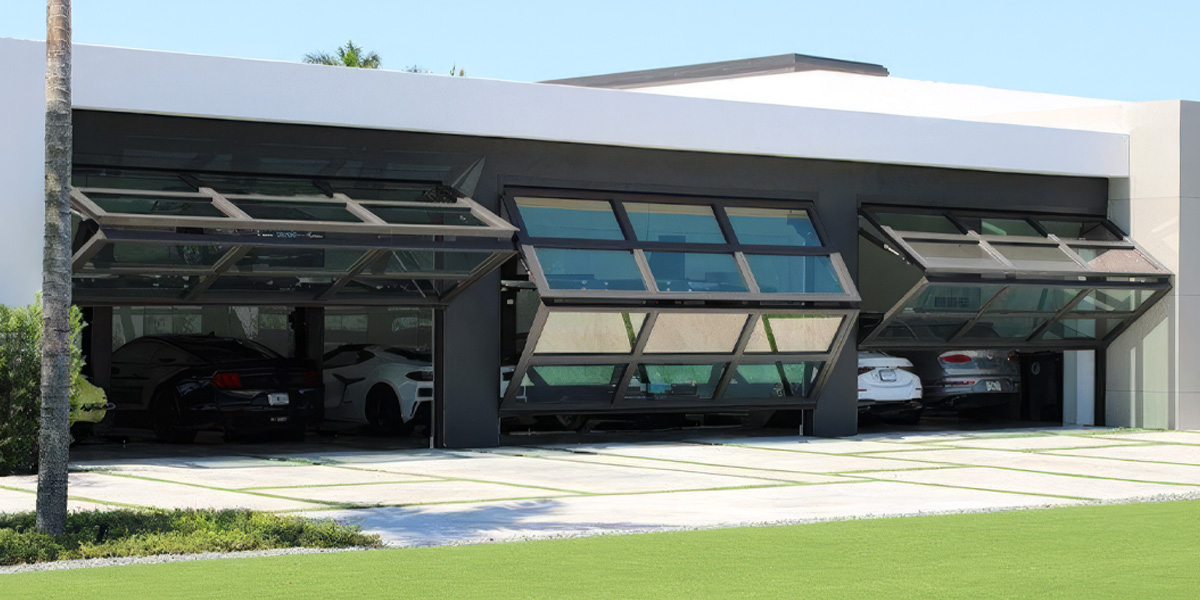
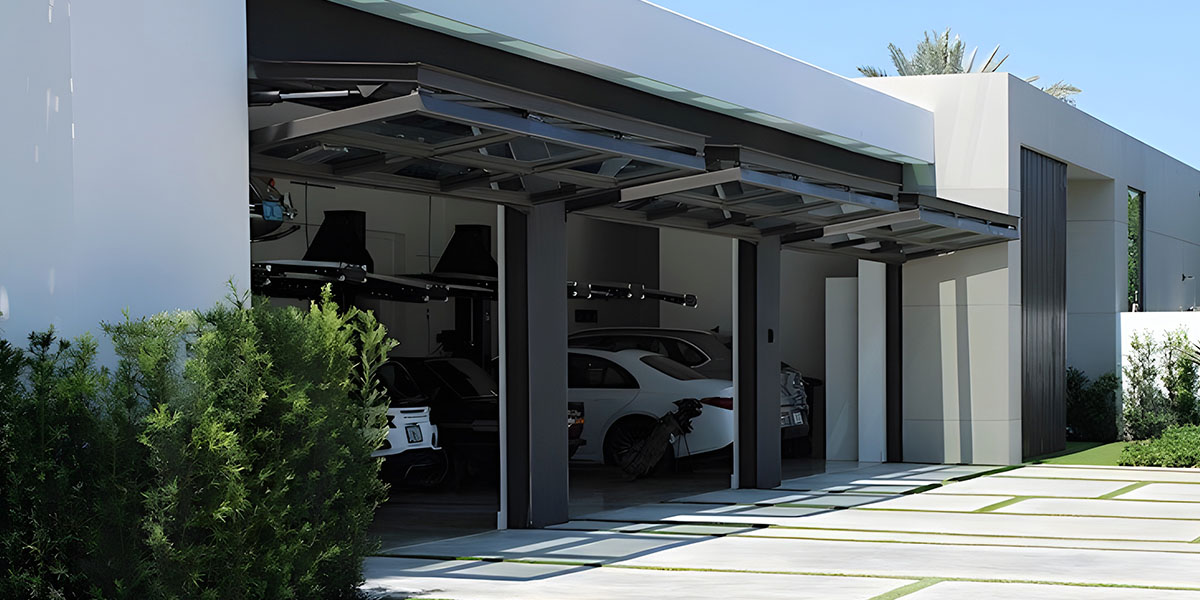
Door technology has moved beyond its primary function of separating rooms to become a key component in security. Modern doors with smart technology create more secure home and workspaces, offering protection and supporting overall building operations.
Discover the benefits of hydraulic door systems, balancing practical and aesthetic considerations and top considerations for future automated door projects.
Door Technology and Building Automation Integration
A successful integration of automated door technology with a building automation system (BAS) is fundamental to managing security and overall operations in a space:
- Central monitoring: Integrating both technologies enables control from a single platform. Commercial and residential spaces can manage door and building controls, including lighting and security systems.
- Better energy efficiency: Door and BAS integration allows effective control of building heating and cooling. The systems automatically respond to the conditions of a specific area to maintain consistent temperatures.
- Increasing security: Systems including access control, alarms and surveillance work seamlessly with door technology. Integration with these systems enables key features that keep a space secure, such as real-time warnings and automatic door locking.
- Automatic responses: Particularly beneficial during emergencies, doors can open and close automatically to safeguard occupants. Real-time monitoring also measures the number of people entering and leaving a space.
Security and Access of Automated Door Systems
By introducing automated door systems, securing spaces becomes easier to manage. Evolving technologies prioritize security and accessible controls with minimal manual intervention:
Remote Control Measures
Automation keeps residential and commercial clients informed about whether a door is open or closed. Controlling features, such as motion lock, can be remotely controlled to help maintain security during off-peak periods. Remote control measures enable faster responses in emergencies.
Access Restrictions
Clients can set different access levels depending on the situation. For example, users can set access to specific times of day or implement touchless entry solutions via a mobile app to control access. Controls may also limit access to particular rooms within a building.
Safety Detection
Sensor technology lets automated door systems detect people and objects entering a building. Detection enables doors to respond appropriately when an object or person approaches. Unusual activity at entrances and exits can also trigger the system to send alerts to the controllers.
Activity Tracking
Real-time data and activity-tracking monitors door usage, including people and cars entering and leaving the building. Regular activity monitoring helps users determine peak times of door usage and plan security measures.
Balancing Aesthetics and Architectural Door Solutions
Unlike traditional doors, automated systems use fewer components and do not require visible hinges, maintaining a sleek aesthetic. However, the appearance and the functions of a door must be in balance. Below are the top considerations for balancing aesthetics and function:
- Design with accessibility in mind: Depending on the project type, it’s essential to comply with accessibility codes, including the Americans with Disabilities Act (ADA) Standards for Accessible Design. Learning relevant codes and standards early allows you to create designs that support these clients with disabilities.
- Material and exterior blending: Finding the best materials and finishes to blend the door appearance with your client’s façade seamlessly. Think about how the practical and design elements complement one another and suit the client’s needs. For example, large glass doors boost daylight but must ensure proper movement and sealing.
- Consider user responses: Automated door systems must work in ways users expect to use the door. Confirm adequate clearance spaces and approach distances are accounted for when using sensor technology. The placement of sensors also contributes to accurate motion detection and helps prevent injuries.
- Build with durability: Simple access is crucial during downtime for timely maintenance. Be sure to design with easy maintenance access in mind, focusing on discreet access points to avoid hindering the door’s appearance.

The Benefits of Hydraulic Door Systems
Maintaining secure spaces with limited manual opening and closing is crucial for efficiency and ease of operation. Alongside security, hydraulic door systems offer additional benefits over traditional doors and other automated door systems:
- Consistent performance: Hydraulic doors use cylinders to smoothly open and close, limiting the risk of sudden tilts and movements caused by worn components. Hydraulic systems are quiet and consistent in all environments.
- Practical design elements: The hydraulic door design has fewer mechanical components than other door types. Therefore, doors are less likely to malfunction due to their minimal components.
- Door customization: Hydraulic doors can be customized to fit various sizes and all door openings. A seamless integration with materials such as wood and glass makes hydraulic doors compatible with a wide range of architectural designs.
- Space-saving design: Particularly with bi-fold hydraulic door systems, the design saves considerable space. Because a bi-fold door stacks rather than projecting outward, it creates more space for wider openings.
- Diverse and reliable: The construction and durability of hydraulic door systems indicate their suitability for both commercial and residential environments.
5 Tips for Residential and Commercial Automated Doors
Planning an automated door system takes more than an aesthetically pleasing design. Security measures and daily performance are equally important. Here are five top tips for future automated door system projects:
1. Consider Automation Early
To ensure all automation features are secure and work properly, incorporate automation elements early in the project. Early planning around components allows the structure to blend seamlessly from the beginning, without adding unsightly adjustments later.
2. Plan With Safety and Motion
Considering the way a door opens and closes affects how users respond to its motions. Designing an automated door system with a smooth movement allows users to feel comfortable and safe. Focus on key safety features, including door speed and stopping points.
3. Find the Optimal Sensor Placement
A reliable automated door system operates correctly with prime sensor locations. During planning, identify the optimal locations for sensors to operate at peak performance. Ensure you consider sensor discretion and performance to meet design needs.
4. Ensure Proper Energy Efficiency
The duration of door opening and closing affects energy efficiency. Other building energy-efficiency concerns include door sealing to minimize energy loss. Design door systems with comfortable opening and closing times and secure sealing to limit air leakage.
5. Design With Easy Maintenance Access
Hydraulic door systems are a long-term solution that requires little maintenance. However, designing the door with discreet access points simplifies future adjustments if needed. These discreet maintenance points limit any disruption to the door design.

Build Custom Automated Doors With Premier Door Co.
Since 1998, our experienced team has developed innovative solutions that mesh the latest technology with contemporary designs to bring your vision to life.
Our expansive portfolio extends to clients in various industries, including aviation, retail and industrial settings. Working to your specifications, our in-house design team creates aesthetically pleasing doors that combine Smart Door® Technology with durability.
Ready to discuss designing your automated door system? Contact the team today to request a quote and begin your journey.